
Mastering the Mind: The Psychology of Trading Success - A Study Group Discovery
Mastering the Mind: The Psychology of Trading Success - A Study Group Discovery
Trading is more than a game of numbers. It’s a game of emotions, discipline, and resilience. As you dive deeper into the market—whether it’s currencies, options, or futures—you’ll realize the most crucial battle isn’t fought on the charts but within yourself. Let’s talk about how to approach the market with a winning mindset and a strategy that aligns with your psychology.
The Dopamine Trap: Staying Grounded When the Market Moves
You’ve been there: the market is moving, adrenaline is pumping, and dopamine is hitting like a high-speed train. Suddenly, every tick feels like validation of your decisions or a challenge to your ego. The danger? Acting impulsively in these moments can undo hours of careful planning.
What to Do:
Pause Before Acting — When the market starts moving quickly, take a breath. Ask yourself: is this aligned with my strategy, or am I chasing a high?
Stick to the Plan — If you’ve prepared for this scenario, execute the trade according to your plan. If you haven’t, step away. The market isn’t going anywhere.
Measure Success in Ticks and Pips — Detach from dollar amounts. By focusing on consistent execution (ticks, pips, or percentages), you remove the emotional weight of profits or losses.
Timing Is Everything: Recognizing the Sweet Spot
Hitting the perfect Time Price Opportunity (TPO) feels like magic. But the reality is, it’s a skill built on preparation and patience. When you nail it, the temptation is to keep watching, keep tweaking, keep pushing—when what you really need is to walk away.
Why It Matters:
Overtrading after a win can erode profits and confidence.
Walking away reinforces discipline, helping you reset mentally for the next opportunity.
Pro Tip: If you’ve hit your target, take time to journal the trade. What went right? How did you feel? Use this as a blueprint for future success.
Adapting to Market Speed: From Breakneck to Crawling
Chicago’s fast-paced futures market can be intoxicating. The rapid sentiment shifts and high-frequency moves cater to traders who thrive on action. But what happens when the market slows to a crawl and ranges unpredictably?
How to Adjust:
Recognize the Shift — Identify when the market transitions from trending to ranging. Change your strategy accordingly: tight stop-losses and breakout plays may not work in a range-bound market.
Scale Down — Reduce position sizes when the market slows. It’s easier to make objective decisions without the pressure of large trades.
Be Patient — The market will speed up again. Use slow periods to refine your analysis and prepare for the next surge.
The Apex Rules: Understanding Drawdowns and Prop Firm Dynamics
Trading with prop firms like Apex or Tradovate adds another layer of complexity. You’re trading within a framework of rules designed to test your discipline. One key concept is the equity-based drawdown—a metric that measures the gap between your highest account balance and your current balance.
Key Takeaways:
Equity-Based Drawdowns — This forces traders to lock in profits and avoid overtrading. Respect the drawdown as a guardrail, not a punishment.
Mindset Shift — Focus on trading to stay within the rules, not just on making big wins. Steady consistency beats reckless swings.
The Addiction to Fast Markets
Many traders fall in love with the speed and excitement of fast-moving markets like Chicago’s. The thrill can lead to overtrading, impatience, and burnout. To succeed, you need to balance your love for action with a grounded approach.
Strategies to Stay Balanced:
Set Daily Limits — Define how many trades you’ll take and stick to it.
Take Breaks — Step away periodically to avoid tunnel vision and decision fatigue.
Review Your Performance — Use slow market periods to analyze what worked and what didn’t.
Embrace the Process: Why Psychology Matters More Than Profits
Your ultimate goal isn’t to win every trade; it’s to master the process. Success in trading comes from following a plan, managing risk, and staying disciplined. Measuring progress in ticks and pips instead of dollars shifts your focus from short-term gratification to long-term growth.
Closing Thoughts: Build Mental Resilience
Every trader faces moments of doubt, fear, and overconfidence. The key is to remain aware of these emotions and develop strategies to manage them. Whether you’re trading part-time or full-time, currencies or options, the psychological battle is the same.
Prepare — Know your plan before entering the market.
Adapt — Be flexible as market conditions change.
Reflect — Analyze your performance to continuously improve.
Remember: the market is a mirror, reflecting not just your strategy but your mindset. Master your emotions, and you’ll master the game.
Article Inspired by Legacy Study Group.
Suggested Reading
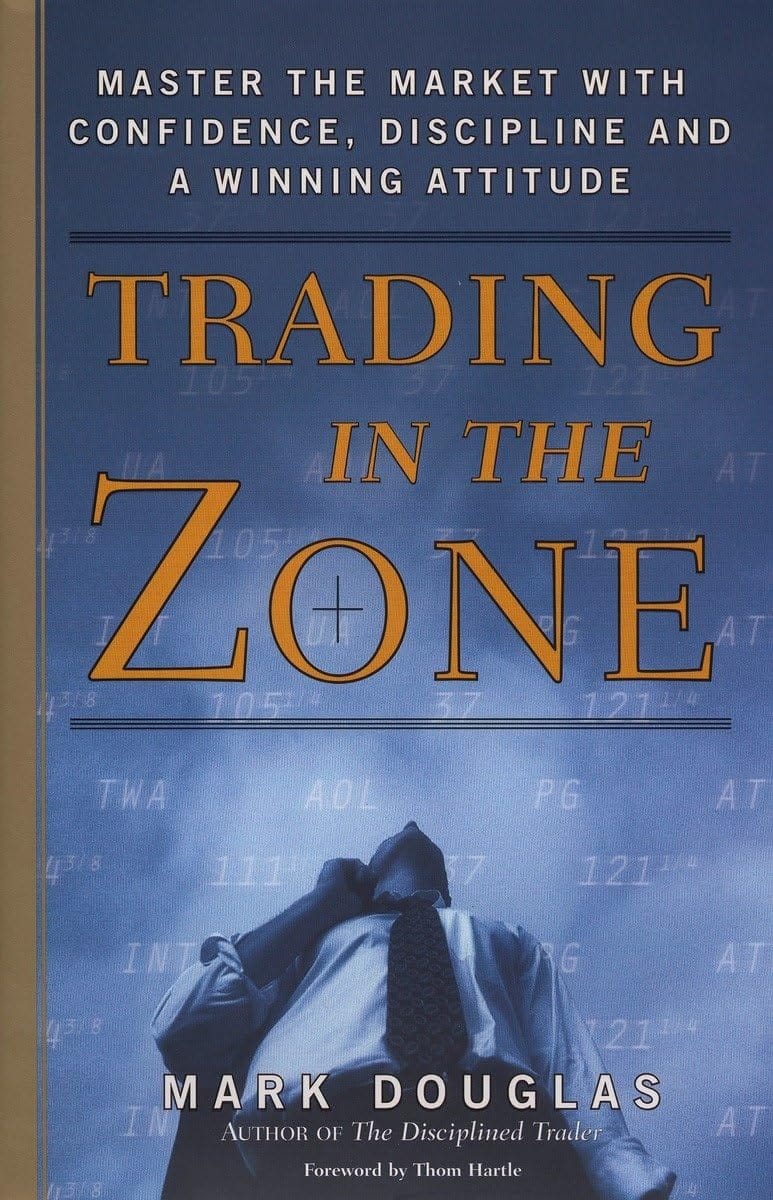
About the Book
Trading in the Zone by Mark Douglas is a game-changer for traders looking to master the mental side of the markets. This groundbreaking book dives into the psychological challenges that prevent consistent success, such as fear, overconfidence, and lack of discipline, offering powerful strategies to overcome them. Douglas teaches readers how to develop a winning mindset, embrace uncertainty, and stick to a system with confidence and clarity. Whether you’re new to trading or a seasoned pro, this book provides the tools to unlock consistency and elevate your trading game. If you're ready to trade with discipline and a professional edge, this is a must-read.
Order the Book: https://amzn.to/40ulZ6j
©2025 Pro Series Profits & CSA5Steps. All Rights Reserved.